
What is emotion regulation and why it matters
We've all seen it, two people receive identical feedback.
One person walks away feeling motivated, while the other walks away feeling frustrated.
The difference isn't often the feedback that's been provided. It's how that feedback has been interpreted by the individual.
What actually is emotion regulation
We all experience emotions, and no single emotion is always good or bad. Emotions evolved to keep us alive, they are our perception of whether a situation is good or bad for us, and regulation is influencing our emotions to help us achieve goals. Be that influencing the type of emotion we have, when we have them and how we experience or express our emotions.
Regulation can mean both upregulating or downregulating either a positive or negative emotion to help with goal achievement. For example, it can be useful to upregulate a positive emotion in a job interview so that you give your interviewers an enthusiastic and positive impression of you. Alternatively, upregulating a negative emotion like anger could be useful if you are in an important game and want to increase physical effort.
Why do two people experience the same situation differently
One of the most influential and widely recognised explanations for emotion regulation comes from James Gross with the modal model of emotion regulation, created in 1998 and later expanded into the extended process model.
The model starts with the idea that all emotions stem from the valuation of if something is good or bad for me. It then follows a continuous appraisal and reappraisal of situations as they unfold. One of the reasons Gross' Process Model is so useful is that it simplifies what can feel like an incredibly complex process. Rather than viewing emotions as automatic reactions to the world around us, the model suggests our response is shaped by how we perceive and evaluate a situation before we act.
Imagine two defenders get passed by an opposition attacker in a football game in an identical situation. One interprets this as an opportunity they can recover from if they act quickly and that they can catch the attacker, so turns to chase them and prevents a goal scoring opportunity. The second defender interprets it as evidence that they have failed because the attacker got past them and is now going to score so stop chasing them, presenting the attacker with a perfect goal scoring opportunity. Those different perceptions lead to different valuations of the same event, resulting in very different emotional and behavioural responses.
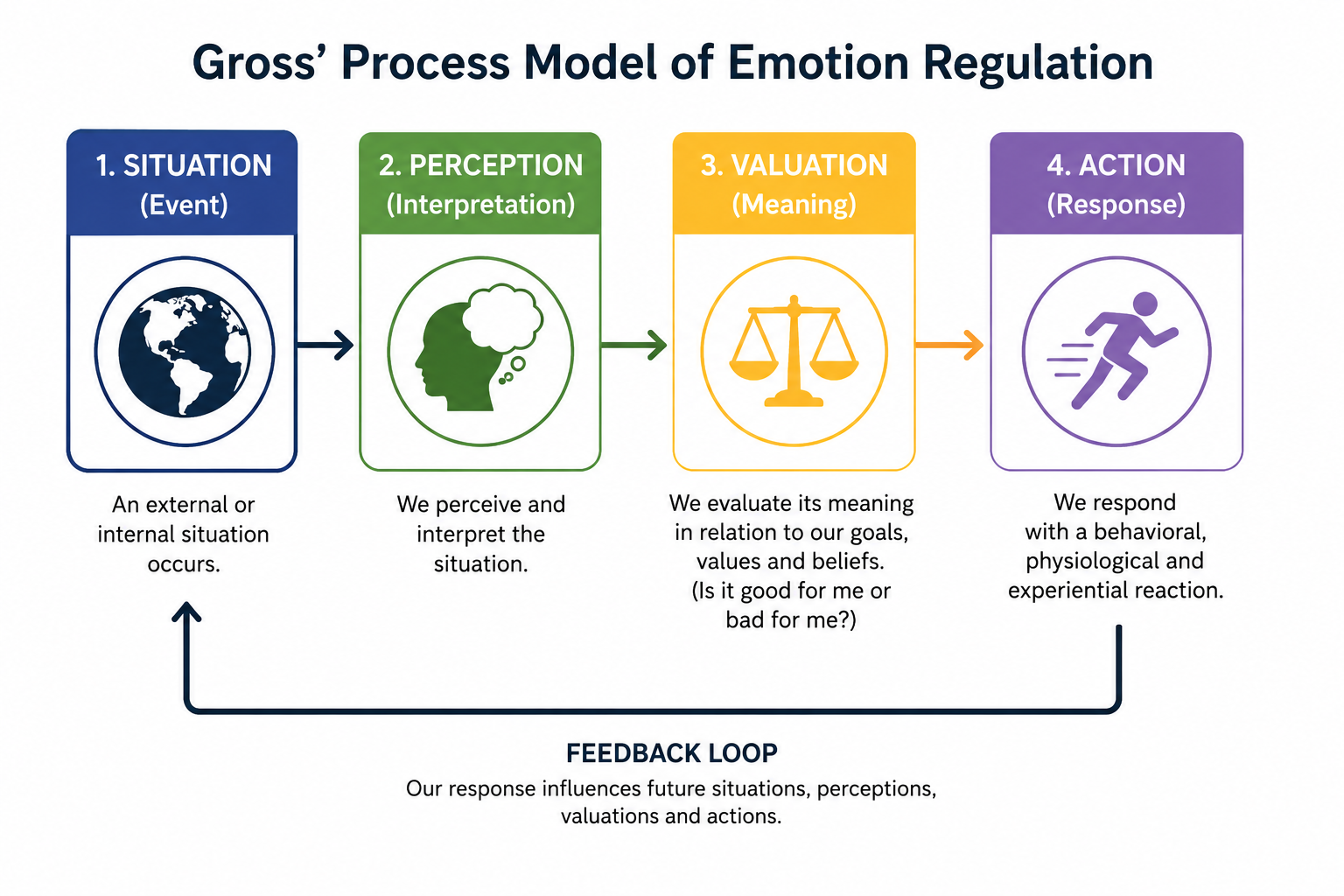
Figure 1. A simplified illustration of the valuation process adapted from Gross' Process Model of Emotion Regulation
Key takeaway
As a coach, leader or team mate, building relationships and gaining an understanding of others values can enable feedback and interactions to be better guided to get the desired understanding whilst reducing the intensity of emotions requiring regulation.
Organisations can also assist in increasing understanding through creating values that all members can strive for. It is important that these values are created through consultation with the entire team at every level and made explicit to increase understanding and awareness between the entire organisation.